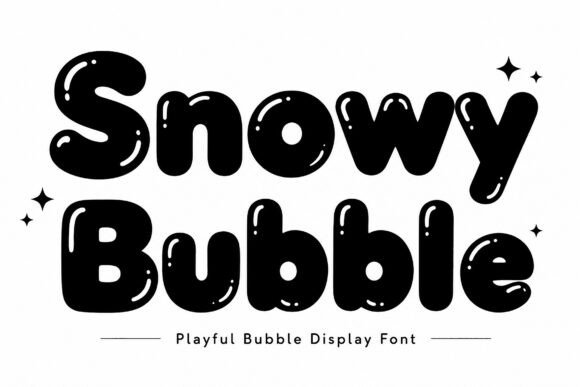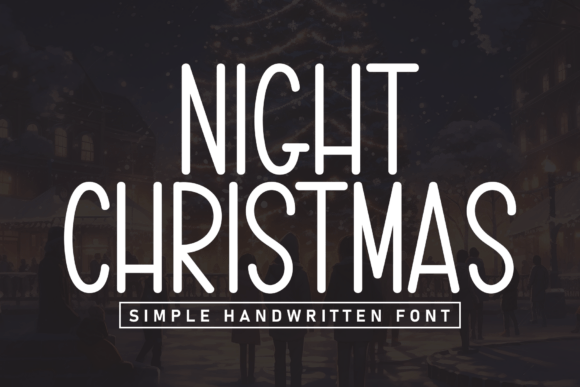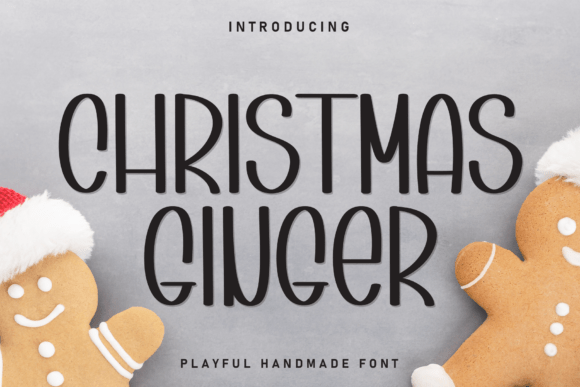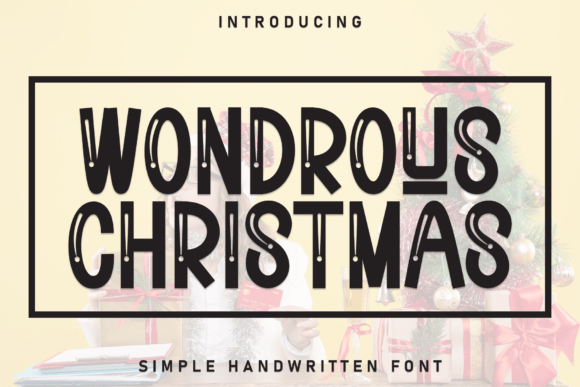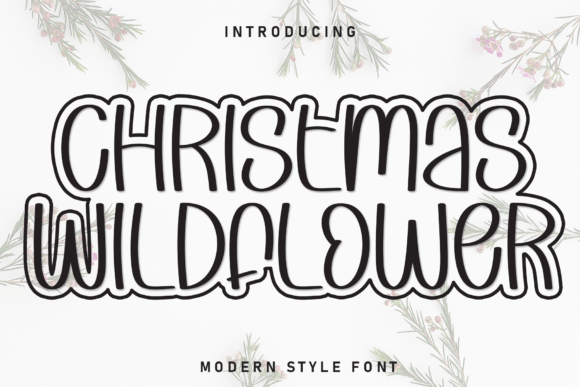
Christmas Wildflower Display: A Festive Graphic Design Asset for Small Business Branding
As a brand designer who regularly works with local businesses, I often find myself evaluating new design assets to see how they can enhance real-world branding efforts. Recently, I came across Christmas Wildflower, and it immediately caught my attention as a versatile graphic design asset that could add charm and warmth to product packaging, promotional materials, and brand visuals—especially during the holiday season.
A First Impression That Sparks Joy and Nostalgia
Christmas Wildflower brings a cozy, handcrafted aesthetic to any project. The design feels soft, decorative, and full of seasonal cheer without being overly commercial or mass-produced. It evokes a sense of nature, simplicity, and tradition, making it ideal for businesses that want to communicate a friendly, artisanal, or organic vibe.
This asset is not just another festive clipart—it has a unique personality. It suggests a brand that’s in tune with the holidays while staying grounded in authenticity. Whether you’re designing for a boutique, a handmade soap shop, or a local bakery, Christmas Wildflower offers a fresh take on holiday branding that feels both current and timeless.
Real-World Applications for Local Businesses
One of the most compelling aspects of this design is its adaptability. Here are several ways Christmas Wildflower can be used effectively in small business branding:
- Product Labels: Use it as an accent on food labels, candle jars, or skincare products to highlight the holiday spirit.
- Packaging Design: Incorporate it into gift box wraps, bag designs, or reusable packaging for a cohesive seasonal look.
- Hang Tags & Thank-You Cards: Add it as a background or border element to create a personal touch for customers.
- Menu Graphics: If you're running a seasonal menu at a café or bakery, it can frame your offerings with visual warmth.
- Flyers & Posters: Pair it with concise text to promote holiday sales, pop-up events, or special collections.
- Social Media Campaigns: Use it in digital banners, Instagram stories, or Facebook ads to maintain a consistent brand identity across platforms.
- Website Banners: Create a welcoming hero image for your online store's winter collection page.
- Printable Inserts: Include it in printable thank-you notes, loyalty cards, or recipe cards to reinforce your brand’s festive tone.
Supporting Brand Presentation with Visual Cohesion
When applied thoughtfully, Christmas Wildflower can significantly improve a brand’s visual communication. For example, using it consistently across product labels and packaging helps build stronger product recognition. Its soft lines and natural elements also support visual hierarchy by guiding the viewer’s eye toward key information without overwhelming the layout.
Business owners will notice that this design contributes to a more consistent brand identity, especially when paired with complementary fonts and colors. It enhances customer trust by presenting a well-crafted, professional appearance—even on smaller items like stickers or price lists.
Where Christmas Wildflower Works Best
Here are some of the best scenarios where Christmas Wildflower truly shines:
- Hero Graphics: It adds a festive yet elegant backdrop for holiday promotions or seasonal campaigns.
- Decorative Brand Elements: Perfect for creating custom illustrations, SVG accents, or PNG overlays in packaging mockups.
- Seasonal Packaging: Especially effective for wrapping gifts, limited edition products, or holiday-themed bundles.
- Boutique Visuals: Fits seamlessly into the branding of small shops that prioritize aesthetics and storytelling.
- Social Media Campaigns: Offers a visually rich base for editorial design and marketing visuals that stand out in feeds.
For instance, imagine a local florist using Christmas Wildflower on their holiday flower arrangements’ hang tags. The design would instantly elevate the perceived value and make their brand feel more thoughtful and curated.
Where to Use It with Caution
While Christmas Wildflower is incredibly useful, there are situations where it may not be the best fit:
- Formal Corporate Branding: The whimsical nature might clash with a more serious or traditional brand voice.
- Very Small Labels: The intricate details could become too busy or lose clarity when scaled down.
- Crowded Product Packaging: Overuse might lead to visual clutter, especially if other design elements are competing for attention.
- Ingredient-Heavy Layouts: In such cases, the decoration should not overshadow necessary product information.
- Legal Information Areas: Avoid using it in sections where readability and seriousness are crucial.
- Low-Contrast Backgrounds: The muted tones might require additional contrast to ensure legibility.
- Luxury Minimalist Brands: This asset leans more towards the rustic and decorative side, which may not align with a minimalist approach.
Always consider whether the mood of Christmas Wildflower supports the message of your brand. While it’s perfect for handmade, artisanal, or family-owned businesses, it may need careful adaptation for more structured environments.
Designer Tips for Implementing Christmas Wildflower
To get the most out of this graphic design asset, here are some practical steps every designer should take before finalizing use in client work:
- Test It on Real Packaging Mockups: See how it looks in context with your actual product sizes and shapes.
- Check Black and White Usage: Ensure it still conveys the intended mood when printed in grayscale.
- Preview on Small Labels: Make sure it doesn’t become illegible or distracting when reduced in size.
- Test with Brand Colors: Try overlaying it with your brand palette to see if it complements or clashes.
- Compare with Competitor Packaging: Evaluate whether it helps your product stand out in a crowded market.
- Inspect Print Quality: Confirm that the PNG or SVG format holds up under high-resolution printing conditions.
- Review Transparency in PNG Files: This is important for layered designs or backgrounds that need to blend naturally.
- Experiment with Font Pairings: Test it beside serif, sans serif, script, handwritten, and display font styles to find the right balance.
- Confirm Commercial Licensing: Always verify that the design asset comes with proper commercial license terms, especially if you plan to use it in physical product sales or branding for clients.
Creating Emotional Connection Through Design
What sets Christmas Wildflower apart from generic holiday graphics is its ability to foster an emotional connection. The floral motifs and subtle textures suggest a human-made, authentic experience. For local businesses, this is invaluable. Customers respond positively to brands that feel genuine and heartfelt—especially around the holidays.
Used in social media graphics or web design, this asset can help a brand appear more inviting and trustworthy. It works particularly well in combination with warm color palettes and hand-drawn typography, enhancing the overall brand presentation.
Conclusion: A Seasonal Design Asset with Broad Appeal
Christmas Wildflower is more than just a pretty graphic—it’s a tool for building a stronger first impression and deepening customer relationships through visual storytelling. When integrated into product labels, promotional flyers, or even Canva templates, it can give your brand a polished, festive edge that resonates with your audience.
For designers working with small business branding, this is a great option to explore for packaging design and seasonal campaigns. Just remember to tailor its use to your specific brand needs, ensuring it enhances rather than distracts from your message.