Elf Story Display: A Versatile Graphic Design Asset for Creative Sellers
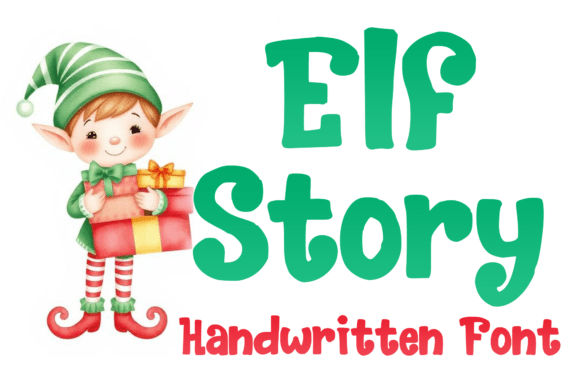
As someone who regularly evaluates design assets for use in digital products, I’m always looking for something that balances charm with commercial viability. When I first saw Elf Story, I knew it had potential. The design is whimsical yet clean, with a visual personality that screams seasonal and festive appeal. It’s the kind of graphic that feels like it could fit into multiple niches—holiday cheer, fantasy themes, or even a modern take on folklore.
From an online shop perspective, this asset has a clear mood. It leans into a playful and elegant aesthetic, which makes it ideal for audiences who appreciate both handcrafted detail and polished professionalism. Whether you’re selling SVGs for Cricut projects or PNGs for print-on-demand items, Elf Story brings a unique touch that can help your listings stand out without feeling too niche to be broadly appealing.
Testing Elf Story Across Product Types
I started by testing Elf Story across several product types to see how it performed under different conditions. Here are some of the key applications I considered:
- SVG Products: The vector lines are crisp and easy to edit in design software like Adobe Illustrator or Cricut Design Space. This makes it perfect for cutting on materials such as vinyl, fabric, or wood.
- PNG Designs: The layered PNGs allow for easy customization. I tried adding it to t-shirt mockups and found the transparency handled well, especially when placed over white or light backgrounds.
- Clipart Bundles: As part of a holiday-themed clipart set, Elf Story added a magical element that customers would find attractive for cards, scrapbooking, and planners.
- Sublimation Projects: The color palette is vibrant enough to pop on mugs, tumblers, and apparel while remaining subtle enough not to overwhelm the substrate.
- Printable Wall Art: The design’s scale and layout make it great for large prints. It retains its clarity at higher resolutions, so it works well for home décor shops on Etsy or Shopify.
- T-Shirt Graphics: I tested it on a couple of print-on-demand platforms and found it looked best with a soft pastel background. It didn’t overpower the garment but still held attention.
- Mug and Tumbler Wraps: The curved elements in the design adapt nicely to cylindrical surfaces. It’s important to test alignment, but once adjusted, the wrap looks professional and eye-catching.
- Planner Stickers & Greeting Cards: The details are intricate but not overly complex, making it suitable for layered stickers and card templates where depth adds value.
Real-World Use in Marketplace Listings
One of the biggest advantages of Elf Story is its ability to enhance product presentation. I used it in a sample listing for a handmade holiday planner kit and immediately noticed better visual hierarchy. The design helped create a cohesive look across multiple assets—wall art, stickers, and social media previews—all while maintaining brand consistency.
For Etsy sellers or anyone using Canva templates, Elf Story can serve as a strong foundation for a themed collection. Pairing it with a serif font for headers and a script font for accents gave the listing a more premium feel. I also experimented with a sans serif font for minimalist-style packaging designs, and it worked surprisingly well.
When previewing thumbnails, the design stood out due to its bold colors and clear focal point. That’s a big win for increasing click-through rates on competitive marketplaces like Creative Fabrica or Redbubble.
Where Elf Story Shines
This graphic design asset performs best in larger formats where the details can breathe. For example:
- Large Product Previews: On a banner or hero image for a seasonal bundle, Elf Story adds visual interest without being distracting.
- Themed Bundles: It fits naturally into holiday or fantasy collections, helping you sell more by offering variety around a central theme.
- Decorative Layouts: Whether it’s for nursery prints or greeting cards, the design enhances the overall aesthetic and gives a sense of warmth and creativity.
- Printable Products: Because of its resolution and layout, it’s a solid choice for calendars, wall art, and printable decorations intended for home or office use.
- Merchandise Graphics: Especially on tote bags, phone cases, and sublimated apparel, the design adds character without overwhelming the item.
- Social Media Promos: Used in Instagram carousels or Facebook ads, Elf Story helps reinforce your brand identity and attract a specific audience segment—like those into cozy, artisanal aesthetics.
Where Caution Is Needed
While Elf Story is versatile, there are scenarios where it might not perform optimally:
- Tiny Sticker Details: Some parts of the illustration are delicate and may become unclear if scaled down too much.
- Overly Complex Layouts: If your template already includes multiple elements, adding Elf Story could lead to clutter. Use it as an accent rather than the main feature.
- Low-Resolution Print Jobs: Always check the final output. While the design looks good in most contexts, it needs proper scaling and high-resolution settings to avoid pixelation.
- Crowded Thumbnails: Avoid using it alongside too many other graphics in a single thumbnail. Let it be the star instead of getting lost in the noise.
- Dark Backgrounds: Test it against black or navy tones. Some colors may lose contrast and appear muted or flat.
- Text-Heavy Templates: If your design requires a lot of overlaid text, consider placing Elf Story in the background or using only a portion of it to maintain readability.
- Clean Cutting Lines for Cricut/Silhouette: Inspect the SVG closely before using it in die-cutting projects. Fine linework may require extra attention to ensure accurate cuts.
Practical Seller Tips
Here are my top tips for integrating Elf Story into your workflow effectively:
- Test it on real product mockups to see how it scales and interacts with different substrates.
- Preview it as a marketplace thumbnail to assess its visibility and appeal at small sizes.
- Check how it looks on both white and dark backgrounds to understand its versatility.
- Verify the printed color accuracy—especially if you're planning to sell physical products like mugs or posters.
- Inspect the PNG file for transparency issues if you plan to overlay it on other textures or patterns.
- If using the SVG for cutting, zoom in and confirm the cut quality for intricate areas.
- Ensure the file resolution meets platform requirements before publishing any digital download.
- Organize your files clearly for customers. Include variations (flat, layered, transparent) in your design bundle for maximum usability.
- Pair it with complementary fonts—serif, sans serif, or display styles work best depending on the context.
- Always double-check the commercial license before selling finished products or including it in your creative marketplace listings.
Final Thoughts for Digital Product Creators
In summary, Elf Story is a well-crafted graphic design asset that can elevate your product offerings. It’s particularly effective in printable designs and merchandise graphics where storytelling through visuals matters. Its blend of elegance and playfulness makes it a good fit for handmade businesses, content creators, and those targeting a feminine or festive audience.
That said, don’t just rely on its charm. Take time to test it thoroughly in your intended use cases. Understand its strengths and limitations, and apply it strategically. Whether you're preparing a seasonal collection for Etsy or designing Canva templates for bloggers, Elf Story can add value—but only if you treat it like the professional tool it is.