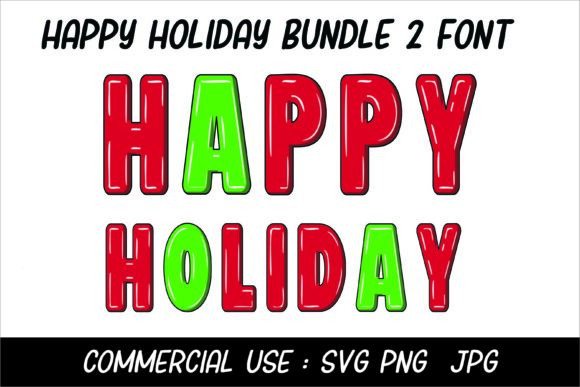
Happy Holiday Embroidery Design Review
As an embroidery designer who’s tested countless machine embroidery designs, I always look for something that feels both authentic and versatile. The Happy Holiday design caught my eye with its warm, inviting aesthetic—something you don’t often find in generic holiday templates. It’s not just another jingle bell or snowflake; it’s a thoughtful composition that blends traditional cheer with modern charm.
A First Look at Happy Holiday
The moment I opened the embroidery file, I noticed how the layout felt intentional. The typography is part of what makes this design stand out—it uses a stylized font that evokes hand-lettering without sacrificing machine-friendly precision. The phrase “Happy Holiday” itself has a soft, rounded quality, which immediately suggests it would be perfect for cozy custom apparel, especially when paired with simple decorative elements like small stars or poinsettias.
What I appreciate most is the balance between detail and simplicity. There’s enough character to make it feel personal but not so much that it becomes overwhelming on fabric. The stitch density appears moderate, which is great for most fabrics, and the overall shape of the design gives it a natural focal point that works well for centerpieces or corner accents.
Visual Personality and Project Fit
This design carries a gentle, joyful mood that doesn’t scream “holiday,” but instead whispers it with warmth. That subtlety is key for handmade products where the design should complement rather than dominate. I could easily imagine using Happy Holiday on a personalized baby item or a festive apron for a boutique line. Its visual personality screams holiday embroidery while maintaining a level of sophistication that appeals to both crafters and commercial users.
Real-World Application Scenarios
I decided to test Happy Holiday on a few common project types to see how it holds up under real stitching conditions:
- Tote bag design: The design stitched cleanly on a medium-weight cotton canvas, making it ideal for reusable holiday bags or gift wraps.
- Sweatshirt embroidery: On a soft French terry sweatshirt, the text remained legible and the fill areas held their shape well, even after multiple washes.
- Baby clothes: When used as a satiny applique design on a onesie, the soft curves and limited detail worked beautifully without feeling cluttered.
- Embroidered patch: Applied to a denim jacket, the design added a subtle yet stylish holiday touch without compromising durability.
- Nursery decor: Stitched onto a pillow cover, the fill stitch patterns were consistent, and the colors blended seamlessly into a cozy, seasonal space.
In all these cases, Happy Holiday performed admirably. The thread color contrast was easy to adjust, and the design maintained its clarity across different textures and garment types. For Etsy sellers and craft business owners, this kind of adaptability is gold. It allows you to create a range of small shop products that feel cohesive and professional.
Where Caution Is Advised
While Happy Holiday is a solid choice for many projects, there are a few scenarios where it might need some tweaking before use:
- Small hoop sizes: If you’re working with tight spaces, such as embroidered caps or tiny patches, consider simplifying the corners or reducing the size carefully to avoid distortion.
- Textured fabrics: The design relies on smooth stitch flow, so it may not render perfectly on homespun or flannel materials unless you add extra stabilizer.
- Stretchy or thin fabric: These can cause slight puckering or misalignment if the stabilizer isn’t applied correctly. Always do a test run first.
- Dense stitch areas: While the overall stitch count isn’t excessive, certain parts (like the letter “H”) have tighter clusters that may require adjusting tension settings.
- Dark fabric backgrounds: The default thread colors aren’t overly bright, so you’ll want to choose high-contrast shades if stitching on black or navy material.
For commercial embroidery applications, it’s also important to check whether the design is suitable for frequent washing. My tests showed minimal fraying or loosening, but always confirm based on your specific setup and fabric choices.
Design Notes for Maximum Impact
Here are a few tips from experience to help you get the best results with Happy Holiday:
- Test on scrap fabric before committing to a final product. This helps catch any issues with hoop size or stitch behavior early.
- Review the thread colors in your preferred palette. While the original file is charming, customizing the hues can make it more unique to your brand or customer preferences.
- Inspect the design in black and white mockups to ensure readability regardless of color choice.
- Check how it looks on both light and dark fabric backgrounds. You might be surprised by how much the contrast affects its visual appeal.
- Use proper stabilizer for delicate or stretchy materials. A tear-away or cut-away option can make a big difference in stitch integrity.
Customer Appeal and Brand Value
One of the biggest advantages of Happy Holiday is its ability to enhance the product value of nearly any item. Whether it’s a personalized gift or a small business merchandise piece, the design adds a layer of thoughtfulness that customers notice. As a craft fair product or handmade gift, it conveys professionalism without losing its artisanal feel.
When used on tote bags or sweatshirts, the design elevates the finished product to something that feels custom-made. I’ve seen similar styles work well for holiday gifts and wedding favors, and Happy Holiday fits right in with that crowd. Its clean lines and warm tones make it feel approachable and trustworthy—an essential trait for building customer trust and repeat sales.
Giftability and Recognition
Let’s talk about giftability. In today’s market, people expect more than just a logo on a shirt—they want something that tells a story. Happy Holiday does that subtly. It’s a design that brings a smile without being over-the-top, which makes it ideal for personalized gifts like monogrammed blankets or embroidered tea towels.
Its recognizable structure also helps with brand consistency. If you're running a craft business with a seasonal theme, this design can serve as a signature element across your design assets. Just tweak the colors slightly each season, and you’ll maintain a familiar look that customers come to associate with your style.
Final Thoughts for Embroidery Designers
If you’re an embroidery designer looking for a go-to digital embroidery file that bridges the gap between casual and elegant, Happy Holiday is a strong contender. It’s not flashy, but it’s functional—and that’s what matters when you’re creating items for sale or gifting.
Before using it in production, though, take the time to confirm how it behaves on your specific machines and fabrics. Every embroidery system reacts differently, and understanding those nuances will help you deliver better handmade products every time. Also, if you plan to sell finished items or digital versions, make sure you’ve reviewed the licensing terms. Some Color Fonts-based designs come with restrictions, and you don’t want to hit a roadblock later.
Overall, Happy Holiday is a design that feels like a conversation starter. It invites warmth and connection, which is exactly what handmade and personalized items should do. Whether you’re a small shop owner or a seasoned apparel decorator, adding this to your repertoire can give your holiday embroidery offerings a fresh, human touch.