Sewing Needle Tree Embroidery: A Brand Designer’s Take for Local Business Use
As a brand designer working with small businesses and local entrepreneurs, I always look for design assets that align with the brand’s story while offering practical application across multiple touchpoints. When I first saw Sewing Needle Tree Embroidery, I was immediately drawn to its intricate yet approachable aesthetic. It has a quiet charm—something between vintage craftsmanship and modern minimalism—that makes it ideal for fashion-forward or artisanal brands looking to elevate their visual presence without overwhelming it.
Aesthetic Mood and Brand Personality
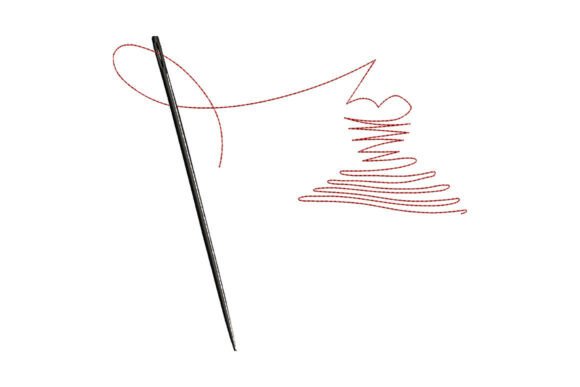
The Sewing Needle Tree Embroidery graphic conveys a sense of handmade authenticity and subtle sophistication. Its delicate lines and detailed stitch-like textures suggest a brand personality that is both creative and trustworthy. This asset feels organic, like something you might find in a boutique or on a hand-stitched garment label. The design doesn’t scream for attention; instead, it invites the viewer to pause and appreciate the detail.
It works especially well for brands that want to emphasize quality, tradition, or personal care. Think of a handmade clothing line, a local skincare brand, or even a craft coffee shop. The embroidery style adds warmth and texture, making it perfect for businesses aiming to build an emotional connection through visuals.
Real-World Applications for Small Businesses
Let me walk you through how this design could be used effectively in various branding and packaging scenarios:
- Product Labels: Ideal for adding decorative accents on fabric or paper labels, especially for items like scarves, hats, or custom apparel. The embroidery effect gives a tactile feel to the printed label, enhancing perceived value.
- Packaging Design: Incorporate the embroidery as a background pattern or border element on gift boxes, tote bags, or product wraps. For Fashion Amp categories, it can subtly reinforce a brand's commitment to craftsmanship and attention to detail.
- Hang Tags & Thank-You Cards: Use it as a header or footer motif to create a cohesive theme across all customer-facing materials. It adds a layer of professionalism while keeping the tone friendly and personal.
- Stickers and Stamps: The design can be simplified into a repeating pattern or turned into a branded stamp for use on packaging seals, loyalty cards, or social media templates.
- Menu Graphics or Price Lists: In a more subdued form, such as a background texture or corner accent, it can add visual interest without distracting from important text.
- Website Banners and Social Media Visuals: As a hero graphic or subtle overlay in promotional content, it helps establish a consistent visual identity across digital platforms. Just be sure it complements your brand colors and fonts.
Design Asset Versatility
What makes Sewing Needle Tree Embroidery stand out is its versatility across formats. Whether you're using it in a high-resolution PNG design for print or an editable SVG design for web and Canva templates, it maintains clarity and character. This flexibility allows designers to adapt the asset seamlessly into logos, editorial layouts, or even as part of a larger illustration suite.
Supporting Stronger Brand Presentation
Incorporating this design asset into your brand toolkit can significantly enhance your business presentation. Here are some key benefits:
- Better First Impressions: The embroidered tree adds a unique visual signature that stands apart from generic clipart.
- Improved Product Recognition: Repetition of the motif across packaging and labels reinforces brand recall.
- Clearer Visual Hierarchy: Used strategically, it can guide the eye toward key elements like pricing or brand names.
- Consistent Brand Identity: The design supports a unified look across physical and digital assets, which is crucial for small businesses with limited budgets but big branding goals.
- Increased Customer Trust: Handmade aesthetics often signal authenticity and care—qualities many customers associate with local, ethical brands.
- Professional Packaging Appeal: Even simple packaging gains a premium feel when enhanced with thoughtful, high-quality design assets like this one.
- Strong Shelf Presence: When applied to product mockups, it creates better shelf appeal by adding visual depth and uniqueness.
- Emotional Connection: The tree motif resonates with themes of growth, nature, and creativity—perfect for lifestyle brands or seasonal campaigns.
- Polished Marketing Materials: From flyers to posters, the embroidery can be used to frame promotions or highlight special collections.
Where This Design Shines
Here are the best use cases for Sewing Needle Tree Embroidery:
- Decorative Brand Elements: Add it as a subtle background or border to website headers, app interfaces, or printable inserts.
- Seasonal Campaigns: The tree motif can easily be adapted for holiday packaging, spring collections, or autumn-themed promotions.
- Boutique Store Displays: Print it as a poster or signage to create a warm, inviting atmosphere that matches the brand’s artisanal vibe.
- Social Media Graphics: Use it in Instagram banners, Facebook cover images, or Pinterest pins to maintain brand consistency across platforms.
- Gift Box Accents: Place it near the brand logo or product name to give a refined, personalized touch to unboxing experiences.
When to Proceed with Caution
While Sewing Needle Tree Embroidery is a powerful design tool, it’s not universally applicable. Here are some situations where it may not perform as well:
- Formal Corporate Branding: If your brand requires a sleek, no-nonsense look, this asset might feel too whimsical or crafty.
- Very Small Labels: The intricate details can become lost at low resolutions or tiny sizes. Always preview it at actual scale before finalizing.
- Crowded Layouts: Avoid using it on busy product designs where readability and legibility are critical, such as ingredient lists or legal disclaimers.
- Low-Contrast Backgrounds: Make sure the embroidery is visible against your chosen brand color palette. Test it with black and white versions to see if it still holds up.
- Luxury Minimalist Brands: While elegant, the embroidery might clash with a minimalist aesthetic unless used sparingly and thoughtfully.
Designer’s Checklist Before Implementation
To ensure the best outcome when using Sewing Needle Tree Embroidery for real business applications, here are my top recommendations:
- Test on Real Packaging Mockups: See how it looks on different materials and sizes to avoid unexpected results in production.
- Check PNG Transparency: Ensure it blends well with your background colors and doesn’t have unwanted borders or halos.
- Inspect SVG Editability: If you plan to modify the design, confirm that the vector file allows for easy scaling and re-coloring.
- Review Font Pairings: Try placing the embroidery beside serif, sans serif, script, handwritten, and display fonts to find the most harmonious combinations.
- Confirm Commercial License: Especially important if you’re using it for client work, physical product sales, or mass-produced materials like stickers or hang tags.
- Compare with Competitor Packaging: Make sure your design stands out in the right way and isn't visually similar to others in the same niche.
- Preview on Small Labels: Test it at the smallest size it will appear, like on tags or price tickets, to ensure it remains legible and impactful.
- Check Print Quality: If using it for physical materials, make sure the design prints clearly and retains its fine details.
Final Thoughts for Fashion Amp and Creative Entrepreneurs
Sewing Needle Tree Embroidery is a standout graphic design asset for any small business owner or brand designer seeking to infuse warmth and creativity into their branding. Whether you're designing for a boutique store, a handmade fashion collection, or a seasonal campaign, this asset brings a level of detail and intentionality that elevates the overall look and feel of your brand.
However, success with this design depends on thoughtful integration. It should support—not overshadow—the message of your brand. By testing it in real-world contexts and understanding its strengths and limitations, you can leverage it to create a stronger, more cohesive brand identity that speaks directly to your audience.
For those in the Fashion Amp space or running a local creative business, this asset offers a fresh take on traditional motifs. With the right approach, it can become a signature element that defines your brand’s visual language and enhances customer engagement across every channel.